

In July, the cost of residential building materials, exclusive of energy, increased by 0.4% and was 5.0% higher than it was a year prior.
In July, energy prices experienced another decline; however, they remained substantially higher than they were a year ago.
In the interim, the cost of services decreased by 0.3% from the previous month, but they were 6.2% higher than they were a year ago.
In July, the Producer Price Index for final demand remained unchanged, following a 0.1% decrease in June.
Final demand prices increased by 4.7% in comparison to the previous year.
In July, the index for final demand services increased by 0.2%, while the index for final demand goods decreased by 0.7% for the month.
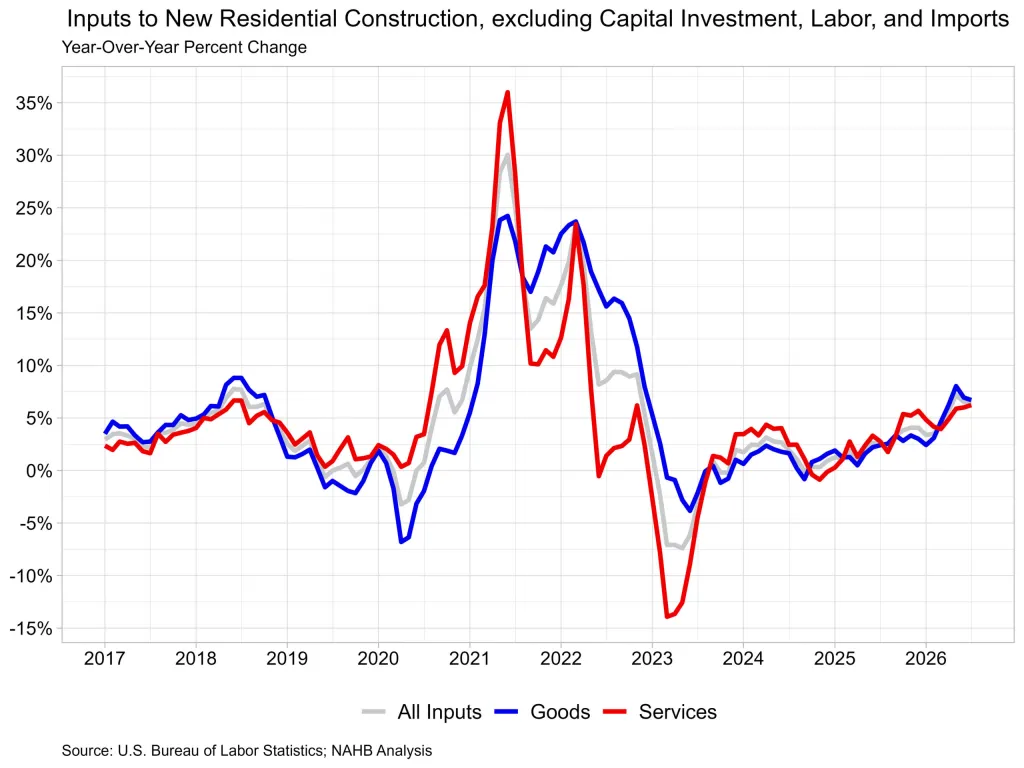
In July, the price index for inputs to new residential construction decreased by 0.1% and increased by 6.5% from the previous year.
The price of commodities used in new residential construction (including energy) increased by 0.1% over the month and by 6.7% from the previous year.
Conversely, the price of services increased by 6.2% from the previous year and decreased by 0.3% over the month.
Goods Received
The goods component is more significant than the inputs to the residential construction price index, accounting for approximately 60% of the total.
In July, the price of input products for new residential construction increased by 0.1% on a monthly basis, following a 0.7% decline in June.
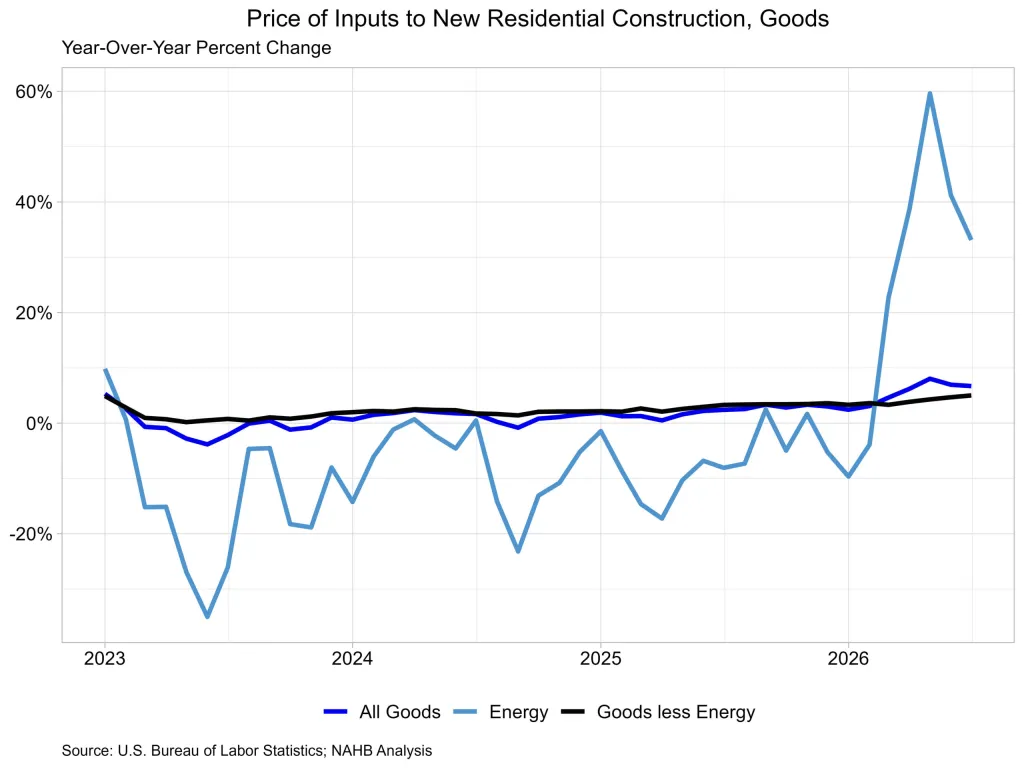
The residential construction index’s input goods can be further deconstructed into two distinct components: one quantifies energy inputs, while the other quantifies remaining goods.
The building materials utilized in residential construction are represented by the latter of these two components, which accounts for approximately 93% of the goods index.
In July, energy input prices decreased by 2.4%; however, they were 33.1% higher than they were a year ago.
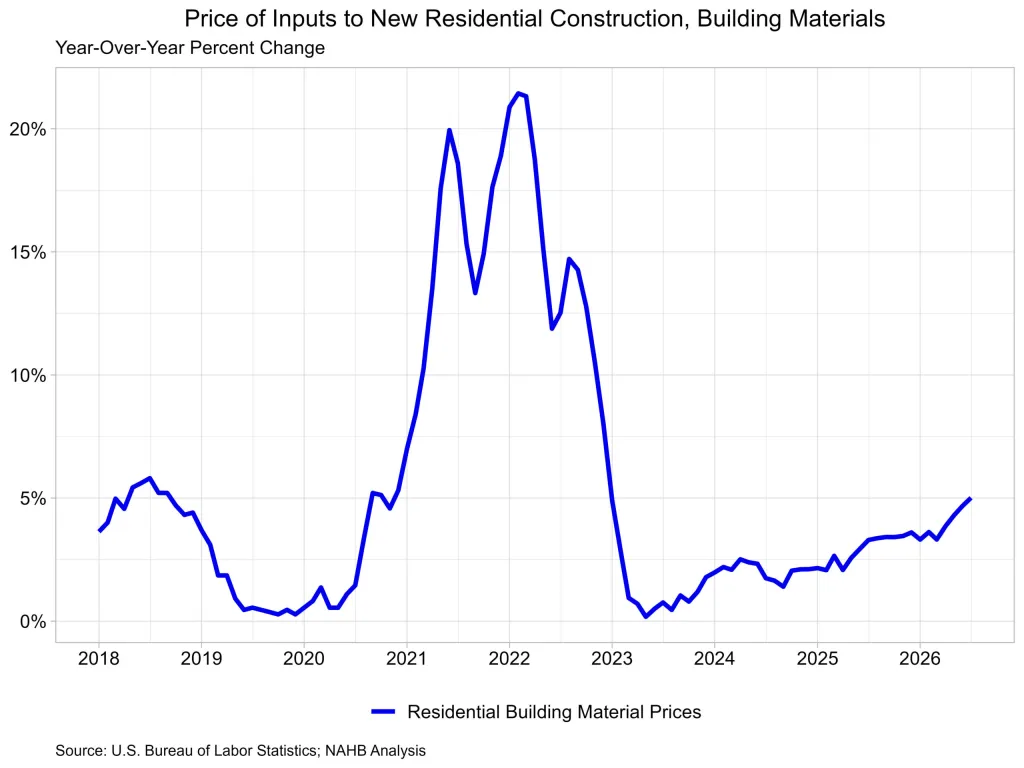
In July, the cost of building materials increased by 0.4%, and they have increased by 5.0% in comparison to the previous year.
Since December 2022, the percentage increase in building materials was the highest year-over-year.
In July, softwood lumber prices experienced a substantial increase of 7.4% over the previous month, surpassing those of other building materials.
The cost of softwood lumber increased by 17.3% from the previous year.
Ready-mix concrete prices have increased by only 2.2% from a year ago and have decreased by 0.4% over the past month.
Services for Input
In July, the cost of service inputs for residential construction decreased by 0.3%.
Service input prices increased by 6.2% on a year-over-year basis.
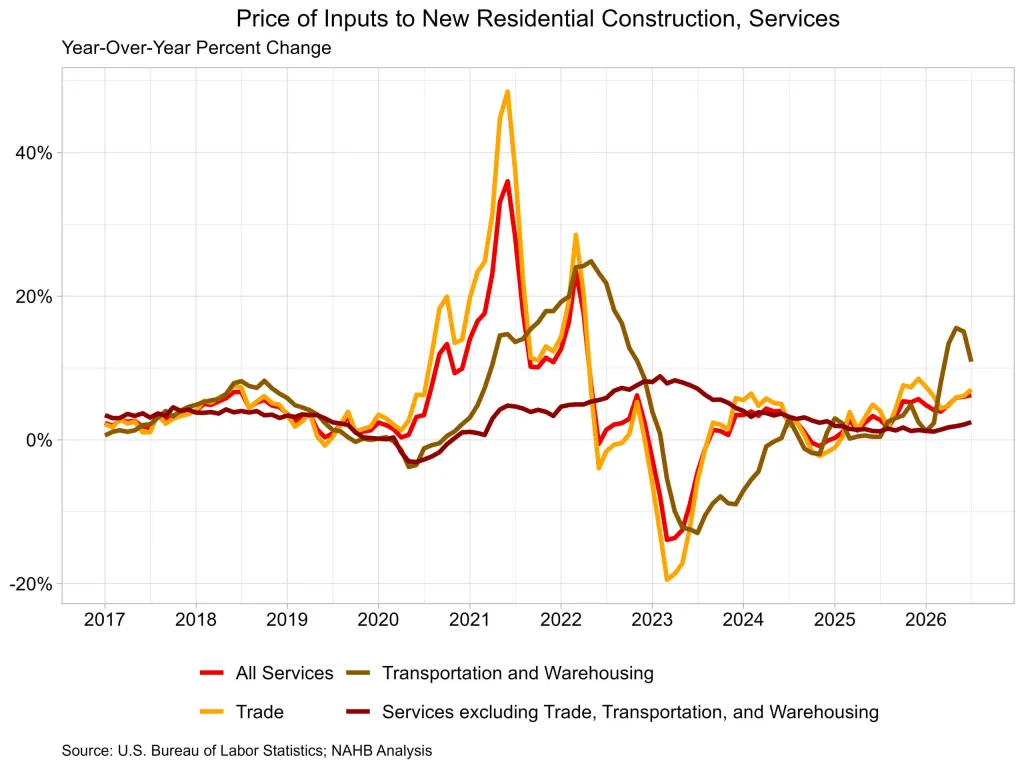
The price index for service inputs to residential construction can be deconstructed into three distinct components: a trade services component, a transportation and warehousing services component, and a services excluding trade, transportation, and warehousing component (other services).
The most significant component is trade services, which account for approximately 60% of the total.
Other services represent approximately 29% of the total, and transportation and warehousing services account for approximately 11%.
Trade services, the most significant component, experienced a 7.0% increase from the previous year.
The cost of transportation and warehousing services increased by 10.9%, while the cost of other services increased by 2.5% over the course of the year.
[Read more about this topic on eyeonhousing.org]